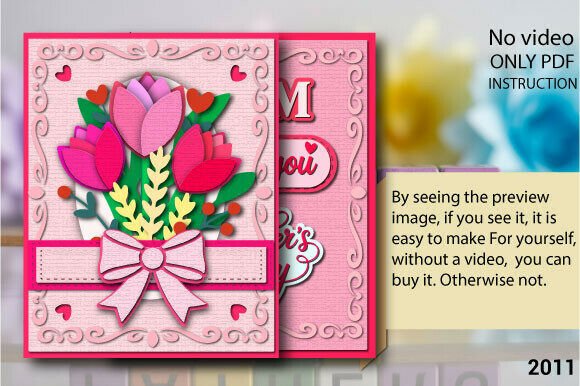
Mother’s Day Tulip Bouquet Card SVG2011: A 3D SVG Design for Local Brand Romance
As a brand designer working with a local boutique florist gearing up for seasonal promotions, I recently evaluated the Mother’s Day Tulip Bouquet Card SVG2011 as a potential design asset. At first glance, this layered papercut-style SVG carries a soft, romantic mood with a hint of handmade charm. It feels like a design crafted for businesses that want to convey warmth, care, and personal touch—perfect for a small brand aiming to connect emotionally with its audience.
First Impressions: Feminine, Festive, and Delicately Decorative
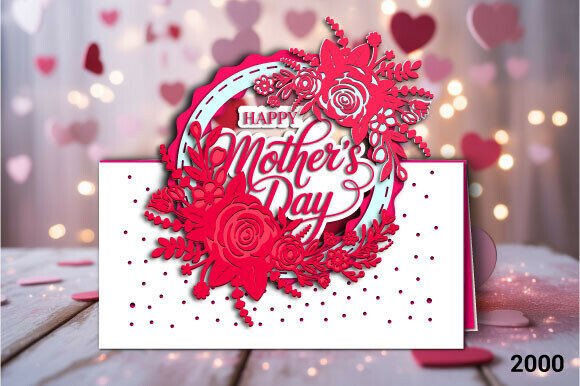
This 3D SVG design immediately evokes a sense of celebration and affection. The layered tulip bouquet illustration is intricate yet elegant, suggesting a brand personality that’s both elegant and approachable. It leans toward a feminine, festive, and slightly playful aesthetic. If your brand is modern rustic, organic artisan, or boutique-style, this graphic design asset can enhance your seasonal visual storytelling.
For a local florist or handmade soap business launching a Mother’s Day gift collection, this SVG adds a touch of sophistication without feeling overly formal. It works well for brands that want to maintain a soft and decorative visual identity while standing out on shelves or digital platforms.
Real-World Branding Applications for Local Businesses
The versatility of the Mother’s Day Tulip Bouquet Card SVG2011 surprised me. While it was originally marketed as a greeting card template, its layered SVG format makes it ideal for a variety of small business branding needs. Here’s how I see it fitting into a real local business project:
- Seasonal product packaging: Adds a soft, decorative accent to gift boxes, wrapping paper, or limited-edition product sleeves.
- Thank-you cards: Perfect for boutique brands looking to personalize customer experiences with a custom-designed card.
- Social media graphics: Ideal for Instagram Stories or Facebook posts announcing seasonal promotions or new collections.
- Promotional banners: Can be resized and adapted for both print and digital banners in-store or on websites.
- Printable inserts: Works beautifully in packaging inserts or care cards included with handmade products.
How This SVG Design Elevates Brand Presentation
In a world where visual consistency and emotional resonance are key, this design asset can significantly enhance brand presentation. Here’s how it supports a local business’s branding and marketing efforts:
- Stronger first impression: Its decorative layers immediately catch the eye and suggest thoughtfulness in design.
- Better product recognition: Unique, seasonal visuals help products stand out from generic packaging.
- Clearer visual hierarchy: When used as a decorative element, it complements primary branding without competing for attention.
- More consistent brand identity: Easily adapted to match brand color schemes and integrated into existing design systems.
- Improved customer trust: A polished, cohesive design suggests professionalism and care in product presentation.
Where This SVG Works Best
The Mother’s Day Tulip Bouquet Card SVG2011 shines brightest in the following contexts:
- Product labels: Especially for seasonal gift items, candles, or bath products.
- Packaging accents: As a corner embellishment or background texture on gift tags or tissue paper.
- Hero graphics: For landing pages or promotional emails focused on Mother’s Day or romantic gifting.
- Seasonal packaging: Ideal for limited-time offers or holiday-themed product lines.
- Boutique visuals: Enhances the look of small-run, artisanal product lines with a personal touch.
Where to Use It Carefully
Despite its beauty, this design may not be suitable for every application. Here are the situations where I’d advise caution:
- Formal corporate branding: Its decorative nature may clash with minimalist or luxury brand identities.
- Very small labels: The intricate layers may lose clarity when scaled down significantly.
- Crowded product packaging: Could compete with other design elements, especially if the layout is text-heavy.
- Ingredient-heavy layouts: Not ideal for food packaging or product inserts where readability is critical.
- Low-contrast backgrounds: The SVG’s delicate lines may not stand out well on busy or dark surfaces.
Practical Designer Notes Before Implementation
Before integrating this 3D SVG into a client project, I always run a few key tests to ensure it supports the brand effectively:
- Test on real packaging mockups: See how it looks in context—especially important for seasonal packaging.
- Check black and white usage: Some SVG files lose detail when converted to grayscale.
- Preview on small labels: Confirm legibility and clarity at reduced sizes.
- Test with brand colors: Ensure the design works with your brand palette, especially if you’re using it in print or digital assets.
- Compare with competitor packaging: Make sure it adds distinctiveness without feeling out of place.
- Review print quality: SVGs are vector-based, but output settings can affect printed results.
- Inspect SVG or vector editability: Verify that layers can be adjusted in Adobe Illustrator or other design software.
- Test with different fonts: Pair it with serif, sans serif, script, or handwritten fonts to see which combinations work best.
- Confirm commercial licensing: Especially important when using the design for product packaging or client branding.
Final Thoughts: A Seasonal Design Asset with Real Branding Value
The Mother’s Day Tulip Bouquet Card SVG2011 is more than a seasonal greeting card template—it’s a versatile graphic design asset that can elevate a local brand’s visual identity when used thoughtfully. Whether you're a packaging designer working on a limited-edition product line or a social media manager planning a Mother’s Day campaign, this 3D SVG brings a touch of elegance and emotional connection to your visuals.
For small business branding, where every design choice needs to serve both aesthetics and strategy, this SVG is a solid investment. Just be sure to test it thoroughly, align it with your brand’s personality, and use it where it enhances—rather than competes with—your core messaging.